How to Reduce Outdoor Lighting Light Pollution: A Definitive Technical Guide
How to reduce outdoor lighting light pollution. The modernization of the nocturnal environment has historically been equated with progress, yet the proliferation of artificial light at night (ALAN) has introduced a complex set of ecological and physiological disruptions. Light pollution is rarely the result of a single catastrophic failure; rather, it is the cumulative consequence of millions of individual decisions regarding fixture selection, beam angles, and luminous intensity. Addressing this phenomenon requires a departure from the “more is safer” lighting philosophy that dominated the mid-20th century.
Mitigation is not merely a matter of turning off switches. It involves a sophisticated understanding of the physics of light, specifically how photons interact with atmospheric particles to create skyglow and how certain wavelengths disrupt the circadian rhythms of biological entities. To engage with the question of how to reduce outdoor lighting light pollution, one must look at the intersection of optical engineering, urban planning, and environmental biology.
This article provides a systematic examination of light pollution mitigation. We will move beyond the common tropes of “dark skies” to analyze the specific technical variables that define high-performance, low-impact lighting. By evaluating the trade-offs between safety, utility, and preservation, this framework establishes a professional standard for managing the nocturnal commons.
Understanding “how to reduce outdoor lighting light pollution.”
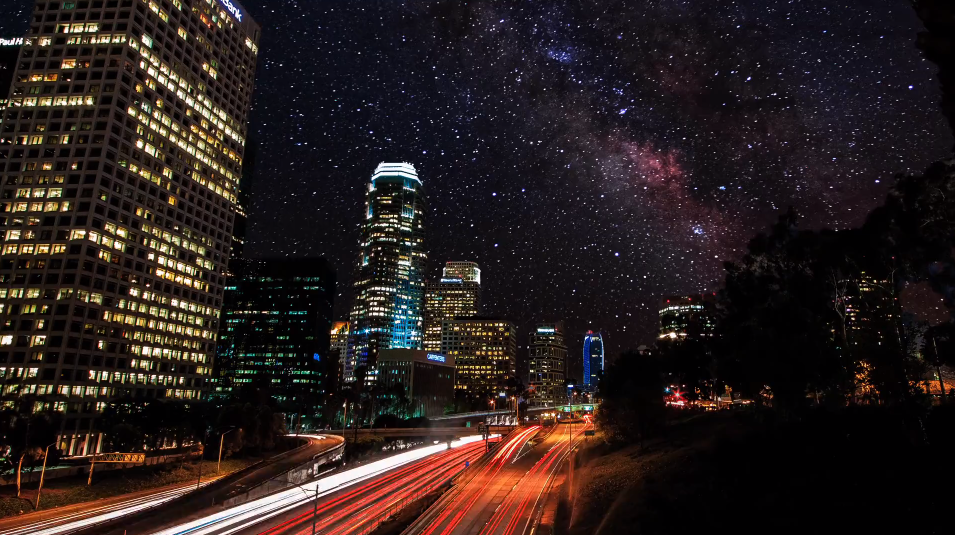
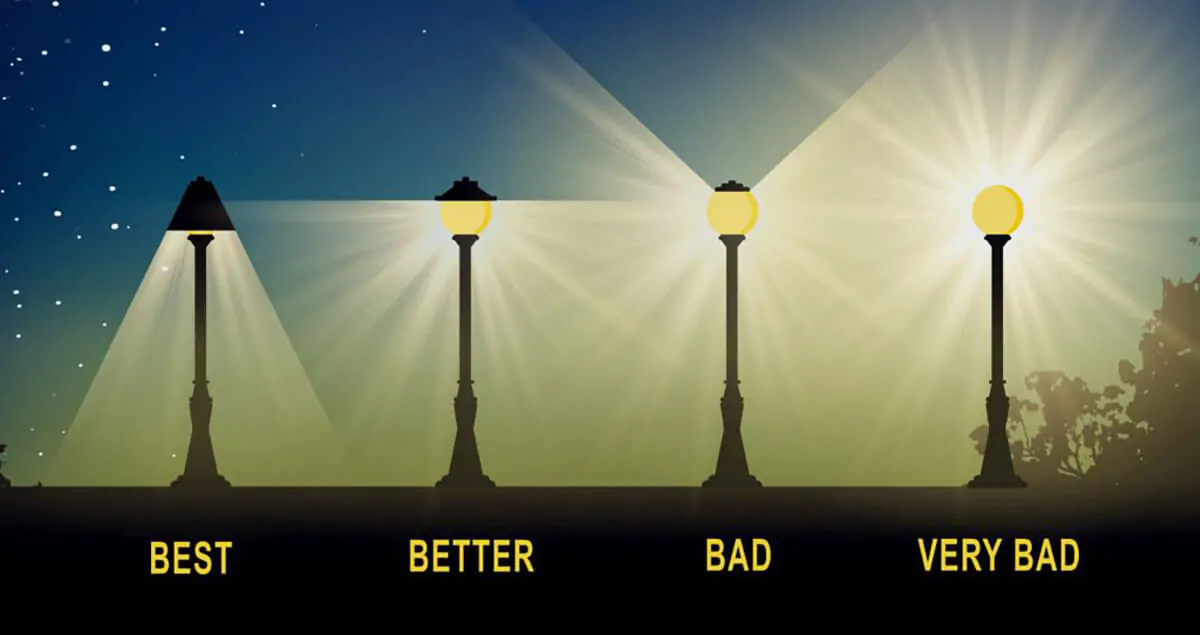
To effectively manage the impact of artificial light, one must first dismantle the oversimplification that “light pollution” is a monolithic problem. It is, in fact, a combination of three distinct optical failures: skyglow (the brightening of the night sky over inhabited areas), light trespass (light falling where it is not intended or needed), and glare (excessive brightness that causes visual discomfort or reduced visibility). Knowing how to reduce outdoor lighting light pollution requires a granular approach to each of these components.
A common misunderstanding in both residential and municipal planning is the reliance on “lumen output” as the sole metric of success. Increasing the lumens often exacerbates glare without improving the actual task visibility, as the human eye’s pupil constricts in response to the bright source, paradoxically making the surrounding shadows appear darker. Effective mitigation shifts the focus from the source of the light to the destination of the photons.
Furthermore, the transition to Solid-State Lighting (LED) has introduced a “rebound effect.” While LEDs are more energy-efficient, their low operating cost often encourages over-lighting—installing more fixtures or running them at higher intensities than their incandescent predecessors. Understanding how to reduce outdoor lighting light pollution in the modern era, therefore, necessitates a rigorous policy on “luminous necessity,” questioning whether a light needs to exist at all before determining how it should be shielded.
Deep Contextual Background: The Systemic Evolution of Light
The history of outdoor lighting is a progression from localized, low-intensity flames to ubiquitous, high-intensity electrical discharge. For millennia, the human relationship with the night was governed by the lunar cycle. The introduction of gas lighting in the 19th century and the subsequent electric revolution fundamentally altered the “circadian geography” of cities.
Initially, the primary concern was efficiency and uptime. The High-Pressure Sodium (HPS) lamps that defined the late 20th century produced a monochromatic yellow glow. While visually limiting, these lamps had a lower impact on skyglow because their spectral output was concentrated in a narrow band. The rapid, global shift toward broad-spectrum “cool white” LEDs has radically changed the risk profile. These lights contain high levels of blue-rich content, which scatters more easily in the atmosphere and has a more profound suppressive effect on melatonin production in humans and wildlife alike.
This systemic evolution means that contemporary mitigation efforts must be “spectrally aware.” It is no longer enough to point the light downward; the chemical composition of the light itself is now a primary factor in environmental degradation.
Conceptual Frameworks and Mental Models
When planning a lighting project, these mental models help prioritize environmental integrity:
1. The Five Principles of Responsible Outdoor Lighting
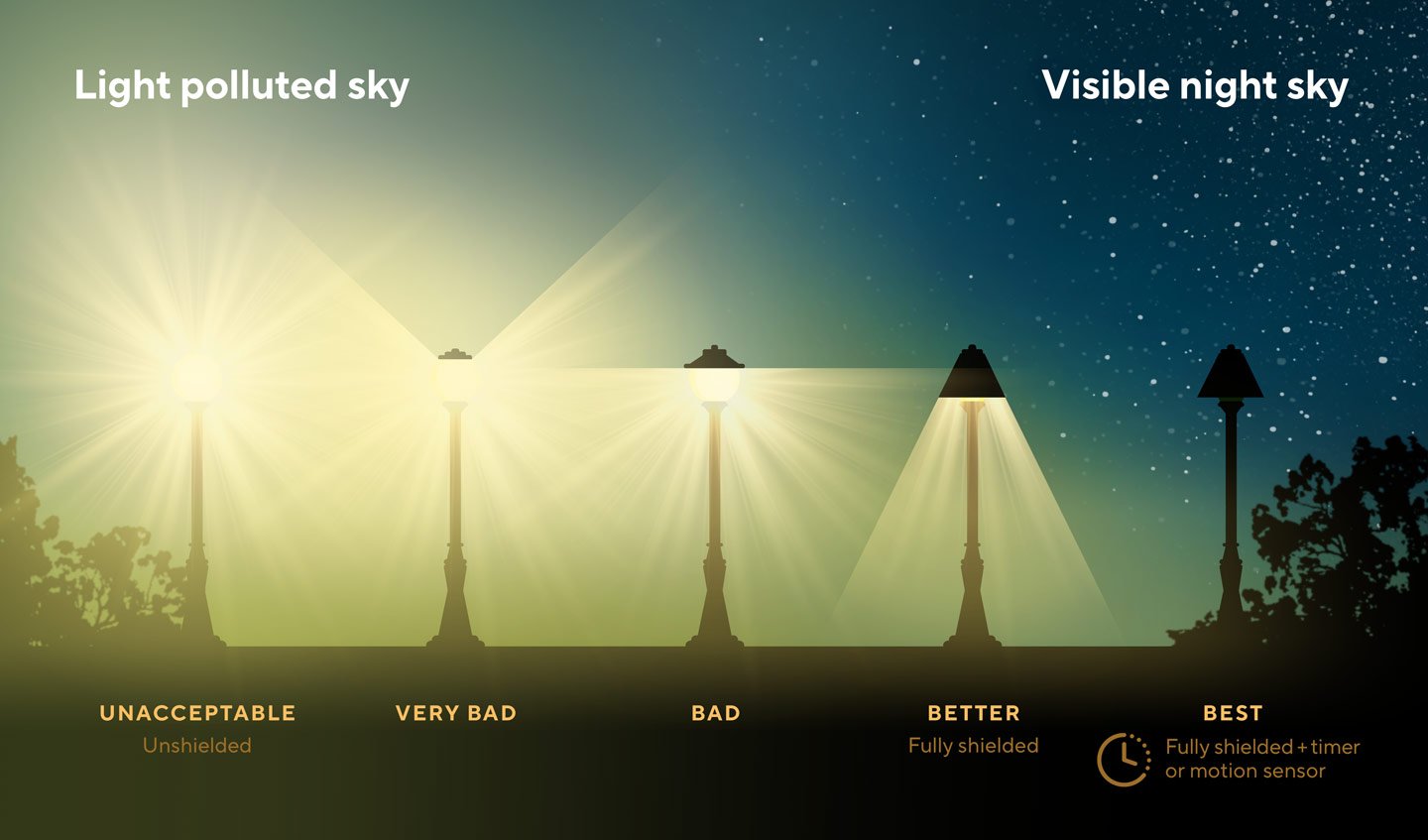
This framework, developed in collaboration between lighting engineers and dark-sky advocates, mandates that all light must:
-
Have a clear Purpose.
-
Be targeted only to the area needed.
-
Use the Lowest Light Level necessary.
-
Be Controlled (dimmers, timers, motion sensors).
-
Use Warmer Color Temperatures.
2. The Photometric Task Analysis
Instead of asking “Is it bright enough?”, this model asks, “What is the minimum contrast required to perform the task?” By focusing on contrast rather than raw illumination, designers can reduce total light output while actually improving safety and visibility.
3. The “Light as a Pollutant” Model
Treating photons like chemical runoff. Just as one would not allow industrial chemicals to leak into a neighbor’s yard, light should be treated as a physical substance that must be contained within property boundaries. This changes the design philosophy from “broadcasting” light to “delivering” it.
Key Categories of Light Pollution and Technical Trade-offs
Mitigation strategies vary significantly based on the technology employed. The following table highlights the trade-offs inherent in common lighting solutions.
| Technology | Mitigation Strength | Trade-off | Best Use Case |
| Full Cutoff Fixtures | Eliminates uplight | Narrower light distribution | Street lighting, parking lots |
| Warm-Amber LED (<2200K) | Low atmospheric scatter | Reduced color rendering (CRI) | Sensitive ecological zones |
| Motion Sensors | 100% reduction when idle | Potential for “flashing” nuisance | Residential security, alleys |
| Dynamic Dimming | Scales with traffic volume | Higher initial controller cost | Main thoroughfares, highways |
| Shielding/Baffles | High trespass control | Reduced fixture efficiency | Decorative/Architectural light |
Decision Logic
When selecting a category of intervention, the hierarchy should always begin with Control (can we turn it off?) and Direction (can we shield it?) before moving to Spectrum (can we change the color?). A well-shielded light of the wrong color is still a scattering risk, but a poorly-shielded light of any color is an immediate trespass violation.
Detailed Real-World Scenarios
Scenario A: The Municipal Waterfront
A city wants to light a public boardwalk for safety while protecting a nearby marine turtle nesting site.
-
Constraints: High humidity increases atmospheric scatter; ecological sensitivity is extreme.
-
Decision Point: Standard white LEDs will disorient hatchlings.
-
Action: Implement “narrow-spectrum amber” lighting with 0% uplight. Install bollard-height fixtures rather than tall poles to keep the light as close to the ground as possible.
-
Failure Mode: If the bollards are not vandal-resistant, they may be broken, leading to “maintenance-driven” replacement with unshielded, high-intensity floods.
Scenario B: The Logistics Hub
A 24-hour shipping warehouse needs high visibility for heavy machinery.
-
Constraints: High-speed operations require excellent color recognition (CRI).
-
Action: Use 3000K LEDs (a compromise on warmth for better CRI) but integrate astronomical timers that dim the lights to 20% capacity during shift changes or low-traffic windows.
-
Second-Order Effect: Reduced light levels decrease driver fatigue by minimizing glare, potentially lowering workplace accidents despite “lower” visibility.
Planning, Cost, and Resource Dynamics
The economic argument for how to reduce outdoor lighting light pollution is often framed through energy savings, but the “rebound effect” mentioned earlier can negate these gains. A true cost-benefit analysis must include maintenance cycles and environmental externalities.
| Strategy Component | Initial Capital | Long-Term Savings | Complexity |
| Retrofitting Shields | Low | Minimal | Simple |
| Smart Lighting Controls | High | Significant (Energy + Labor) | High |
| Full Fixture Replacement | Moderate-High | Moderate (Efficiency) | Moderate |
| Zoning/Policy Reform | Minimal (Labor) | N/A | Very High |
The highest “hidden” cost is often the Opportunity Cost of bad lighting. Over-lit environments can depress property values in residential areas and deter tourism in “Astrotourism” regions where the visibility of the Milky Way is a primary economic driver.
Tools, Strategies, and Support Systems
-
Astronomical Timeclocks: Devices that adjust “off” and “dim” times based on the sun’s position, rather than a fixed clock.
-
Backlight, Uplight, and Glare (BUG) Ratings: A standardized system for evaluating a fixture’s light distribution. Professionals should only specify fixtures with a “U” (uplight) rating of 0.
-
Louvering and Internal Baffles: Physical inserts that cut off light at specific angles, essential for architectural highlighting.
-
Spectral Power Distribution (SPD) Analysis: Tools that measure the specific wavelengths emitted, ensuring blue light content is kept below 7-10%.
-
Motion-Sensing DALI/Zigbee Clusters: Networked lights that communicate, creating a “bubble” of light that follows a pedestrian and dims behind them.
-
Virtual Dark Sky Parks: Areas that use “part-night lighting” (PNL) where streetlights are extinguished between midnight and 5:00 AM.
Risk Landscape and Failure Modes
Attempts to reduce light pollution can fail through several compounding channels:
-
The “Safety” Trap: The belief that more light equals less crime. Research suggests that poorly aimed, high-glare light creates deep shadows where crime can occur undetected. Over-lighting can actually assist criminals by providing better visibility for their activities.
-
Color Shift: Inexpensive LEDs may “drift” over time, moving from a warm 3000K to a harsher 4000K+ as the phosphor coating degrades.
-
Reflected Light: Even if a fixture is 100% shielded, the light hitting a light-colored surface (like white concrete or snow) reflects into the atmosphere. Managing the Surface Albedo is a crucial, often ignored, risk factor.
Governance, Maintenance, and Long-Term Adaptation
A successful mitigation strategy requires a “Lighting Management Plan” (LMP). This document serves as the governance framework for any facility or municipality.
The Adaptive Checklist
-
Inventory Audit: Every two years, identify fixtures that have been moved, damaged, or replaced with non-compliant parts.
-
Vegetation Check: Ensure that trees have not grown to block the intended path of a shielded light, forcing “compensatory” lighting elsewhere.
-
Trigger Points: Define at what point a fixture is “obsolete.” For instance, if a repair costs more than 50% of a new, dark-sky-compliant fixture, replacement is mandatory.
-
Community Feedback Loop: Establish a system for residents to report light trespass or glare “hotspots.”
Measurement, Tracking, and Evaluation
You cannot manage what you do not measure. Evaluating the effectiveness of efforts to reduce light pollution requires both ground-level and atmospheric data.
-
Leading Indicators: Percentage of total fixtures with a BUG rating of U0; average Correlated Color Temperature (CCT) of the city’s inventory.
-
Lagging Indicators: Skyglow measurements using Sky Quality Meters (SQM); local insect population trends; nocturnal bird strike data.
Common Misconceptions and Oversimplifications
-
“LEDs are better for the environment.” Only in terms of energy. Their blue-light scatter is significantly worse for the sky than old sodium lamps unless specifically mitigated.
-
“Shielding reduces safety.” Professional shielding directs light where it is needed, increasing “uniformity.” High uniformity is a better predictor of safety than high intensity.
-
“Dark Sky means no lights.” It means smart lights. It is about “quality of light” over “quantity of light.”
-
“White light is necessary for security cameras.” Modern infrared (IR) cameras perform better in low-light or dark conditions than traditional cameras do under high-glare streetlights.
-
“Light pollution is only an issue for astronomers.” It is a public health issue (melatonin suppression) and an ecological crisis (disruption of pollinator behavior).
Ethical and Practical Considerations
There is an inherent “Nocturnal Equity” component to this discussion. Low-income neighborhoods are statistically more likely to be over-lit with high-glare, cool-white streetlights, leading to sleep disruption and associated health risks.
Conclusion
The challenge of light pollution is a design failure, not an inevitable byproduct of civilization. To successfully implement strategies on how to reduce outdoor lighting light pollution, we must reconcile our physiological need for safety with the biological necessity of darkness. This requires a transition from “static” lighting, the 1950s model of fixed, high-intensity discharge, to “responsive” lighting that accounts for spectrum, timing, and direction. The goal is not to plunge our world into darkness, but to use light with such precision that the stars remain visible, our ecosystems remain functional, and our communities remain safe.